
HDPE PE 100 NS-40 Pipe Lab Test | Quality Testing & Standards – DeepJyoti
How DeepJyoti HDPE PE 100 NS-40 pipes are tested in the laboratory for pressure, strength, dimensions, material quality and durability.
When choosing an HDPE pipe for water supply, irrigation, drainage, infrastructure or other construction applications, pipe quality and testing are extremely important. A pipe may look strong from the outside, but its actual performance depends on the quality of its raw material, manufacturing process, dimensions, pressure resistance and overall physical properties.
At DeepJyoti Plastic Industries, quality control is an important part of the HDPE pipe manufacturing process. Our HDPE PE 100 NS-40 pipes undergo laboratory testing and quality inspection to help ensure consistent performance and reliability.
What is HDPE PE 100 NS-40 Pipe?
HDPE stands for High-Density Polyethylene, a strong and flexible thermoplastic material widely used for modern piping systems.
PE 100 refers to a high-performance polyethylene pipe material classification designed for pressure applications. PE 100 materials offer a combination of strength, durability and resistance to pressure and environmental conditions.
NS-40 refers to the Nepal Standard specification/classification used for HDPE pipes. Depending on the pipe size and application, the relevant requirements cover characteristics such as dimensions, material properties and performance.
DeepJyoti manufactures HDPE pipes in different sizes and pressure classes for a range of applications.
Why is HDPE Pipe Laboratory Testing Important?
Laboratory testing helps verify whether a manufactured pipe meets the required quality and performance requirements.
Testing can help identify:
Raw material quality
Pipe wall thickness
Outside diameter and dimensions
Hydrostatic pressure performance
Tensile and mechanical properties
Resistance to environmental conditions
Manufacturing consistency
Overall product quality
For pressure pipes, these properties are especially important because the pipe must withstand continuous internal pressure during service.
HDPE PE 100 NS-40 Pipe Testing at DeepJyoti
Quality control starts with the material and continues throughout the manufacturing process. Laboratory testing and inspection are used to monitor important characteristics of the finished HDPE pipe.
1. Raw Material Quality Testing
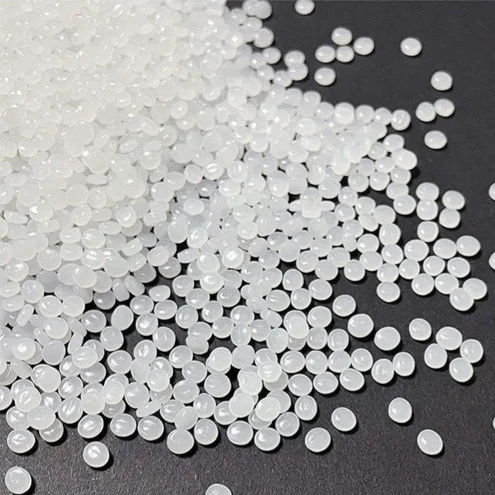
The quality of an HDPE pipe starts with its raw material.
The polyethylene material is checked for relevant properties before and during production. Using appropriate pipe-grade material helps achieve the required strength, flexibility and long-term performance.
For PE 100 pipes, material quality is particularly important because the material must be suitable for pressure-pipe applications.
2. Dimensional Testing
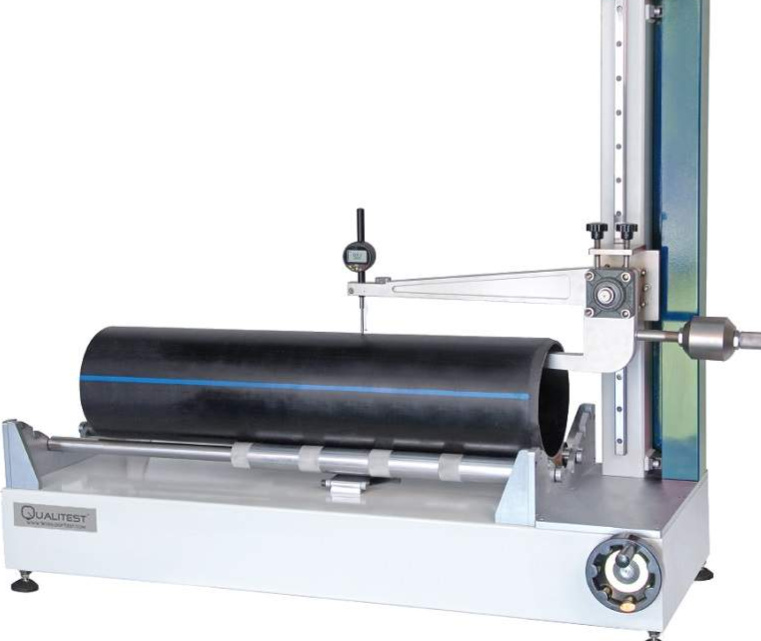
Correct dimensions are essential for proper installation and joining.
Laboratory and production inspections can include measurements of:
Outside diameter
Wall thickness
Ovality
Pipe length
Dimensional consistency
Maintaining consistent dimensions helps ensure compatibility with fittings and joining systems.
3. Wall Thickness Inspection
The wall of an HDPE pipe plays an important role in its pressure performance.
The thickness is checked at different points to ensure that the pipe remains within the applicable manufacturing requirements.
Consistent wall thickness helps provide uniform performance along the length of the pipe.
4. Hydrostatic Pressure Testing
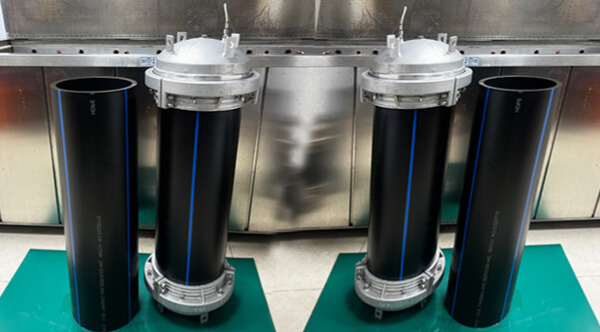
One of the important tests for pressure HDPE pipes is hydrostatic pressure testing.
In this test, the pipe sample is filled with water and subjected to controlled internal pressure for a specified period under applicable testing conditions.
The purpose is to evaluate the pipe's resistance to internal pressure and identify potential failures or weaknesses.
This type of testing is particularly important for HDPE pipes used in pressurized water supply and other pressure applications.
5. Tensile and Mechanical Testing
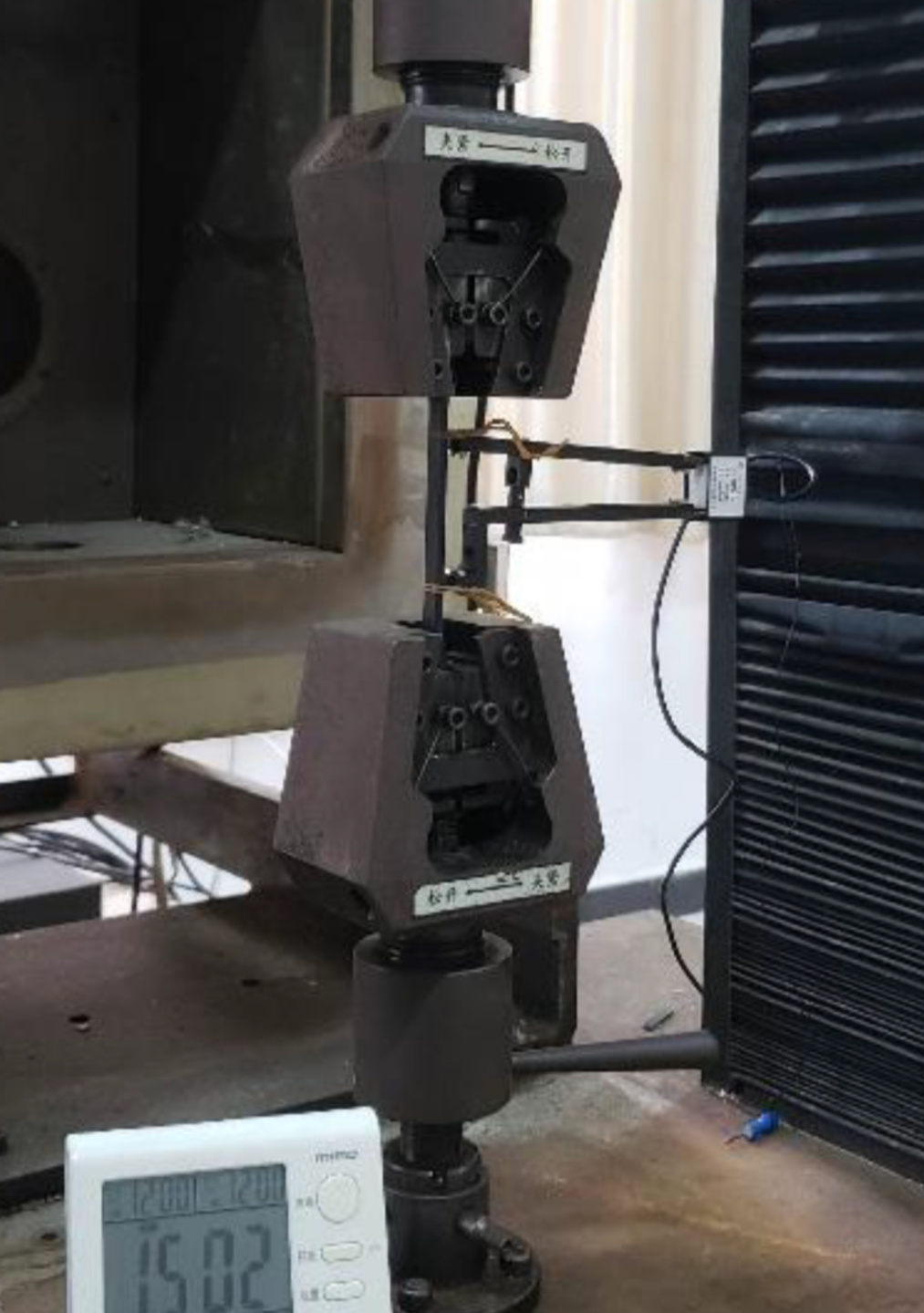
Mechanical testing helps evaluate how the pipe material behaves when subjected to force.
Properties such as tensile strength and elongation can provide information about the material's mechanical performance.
Good mechanical properties contribute to the flexibility and durability expected from HDPE piping systems.
6. Visual and Surface Inspection
Every quality-control process also includes visual inspection.
The pipe surface is checked for visible defects such as:
Cracks
Blisters
Surface damage
Irregularities
Unwanted contamination
Manufacturing defects
A smooth and consistent surface is an important indicator of proper manufacturing.
Why PE 100 Material is Important
PE 100 is widely used for pressure piping because of its combination of strength, flexibility and durability.
Compared with many traditional rigid piping materials, HDPE can provide useful advantages such as:
High flexibility
Good impact resistance
Corrosion resistance
Low weight
Long service potential
Resistance to many chemicals
Suitable for modern fusion joining methods
The actual performance of any pipe, however, depends on the material, design, manufacturing quality, installation and operating conditions.
HDPE PE 100 NS-40 for Different Applications
DeepJyoti HDPE pipes can be used for a variety of applications depending on the pipe specification and project requirements.
Common applications include:
Water supply systems
Irrigation systems
Agricultural water distribution
Construction projects
Infrastructure projects
Industrial applications
Underground piping systems
Selecting the correct diameter, pressure class and pipe specification is important for every project.
Quality Beyond the Appearance
A quality HDPE pipe is more than a good-looking product.
The actual quality of a pipe depends on what happens throughout the complete manufacturing process—from raw material selection to extrusion, dimensional control, laboratory testing and final inspection.
At DeepJyoti, quality control helps maintain consistency from production to the finished product.
DeepJyoti HDPE PE 100 NS-40 Pipes
DeepJyoti Plastic Industries focuses on manufacturing construction and plumbing products with controlled production and quality-management practices.
Our HDPE PE 100 NS-40 pipes are manufactured for applications where strength, flexibility and reliable performance are important.
For project requirements, customers should select the appropriate pipe size and pressure class based on the application's operating pressure, installation conditions and applicable standards.
Frequently Asked Questions
What is PE 100 in HDPE pipe?
PE 100 is a high-performance polyethylene material classification used for pressure pipe systems. It indicates the material's strength category and suitability for pressure applications when designed and manufactured according to the relevant requirements.
What is NS-40 HDPE pipe?
NS-40 is a Nepal Standard specification/classification associated with HDPE pipes. The applicable requirements should be checked against the current relevant standard and the specific pipe application.
Why is HDPE pipe pressure testing important?
Pressure testing helps evaluate whether a pressure pipe can withstand specified internal pressure under controlled testing conditions.
How is HDPE pipe quality checked?
HDPE pipe quality can be evaluated through raw-material checks, dimensional inspection, wall-thickness measurement, hydrostatic pressure testing, mechanical testing and visual inspection, depending on the applicable specification.
Is PE 100 HDPE suitable for water supply?
PE 100 HDPE is commonly used for pressure water-pipe systems. The correct pipe specification, pressure class, diameter and installation method should be selected according to the project requirements.
Choose Tested Quality. Choose DeepJyoti.
For HDPE piping, quality is built into the manufacturing process—not simply measured by appearance.
DeepJyoti HDPE PE 100 NS-40 pipes are produced with a focus on material quality, dimensional consistency and laboratory-based quality control.
DeepJyoti Plastic Industries – Quality You Can Build With.